One craving, many forms
Nicotine is what makes every one of these products addictive. Auricular therapy is aimed at the craving and the stress of withdrawal, not at a specific product, so the same treatment can help however you get your nicotine.
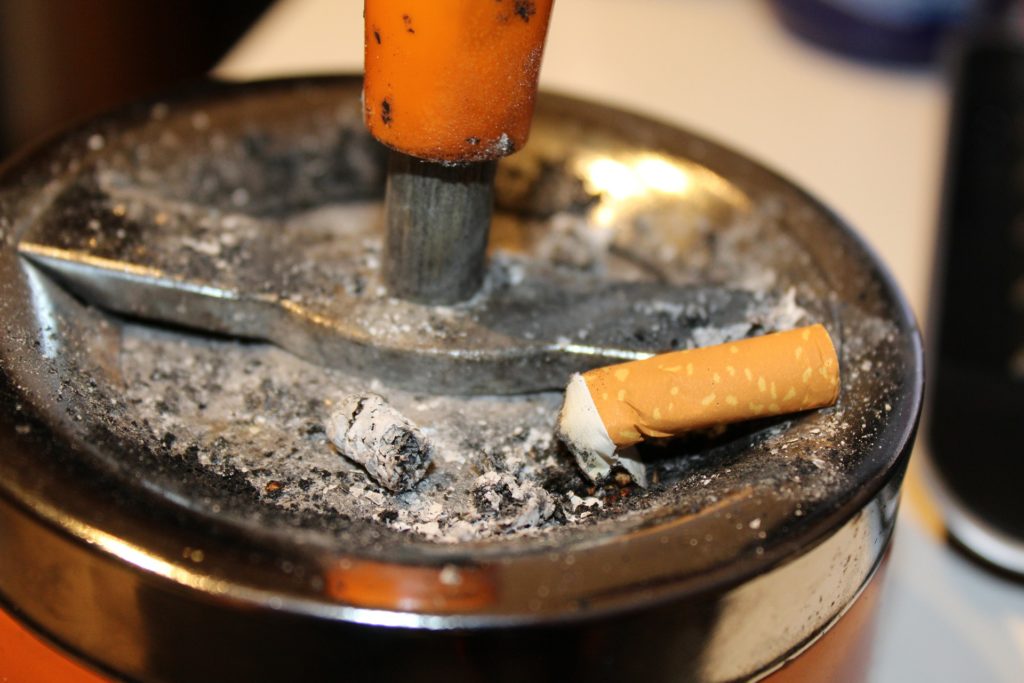
Cigarettes
Cigarette smoking remains a leading preventable cause of disease and death. The good news: your body starts to recover within minutes of your last cigarette (see the timeline below).
Vapes and e-cigarettes
Vaping has grown quickly, especially among young adults. CDC data show that adults ages 18 to 24 have the highest vaping rate, and in that age group vaping alone is far more common than smoking. The FDA has not approved any e-cigarette as a quit-smoking aid, and many people who switched to vaping to quit cigarettes find themselves hooked on the vape instead.
Nicotine pouches
Nicotine pouches sit between your gum and lip and deliver nicotine with no smoke or vapor. In January 2025 the FDA authorized the first nicotine pouch products for sale to adults, but stressed that this does not mean they are safe or “FDA approved.” They still contain nicotine, which is addictive, and use is rising fastest among younger adults.
Nicotine gum and dip
If you rely on nicotine gum, chewing tobacco or snuff and want to be done with nicotine for good, auricular therapy targets the same craving.
How auricular therapy works
Auricular therapy combines principles from acupuncture with modern electrical and low-level laser technology. Instead of needles, Dr. Daily uses mild electrical stimulation and a low-level laser on specific points on the outer ear, on both sides. The goal is to reduce your craving for nicotine and calm your nervous system so quitting feels manageable.
When you first used nicotine, your body probably pushed back with coughing, nausea or dizziness. Over time it adapted, and the cravings took hold. Auricular therapy targets that cycle. It is non-addictive and does not involve medication.
What happens at your visit
- A short conversation. We talk about what you use, how much, and your biggest triggers: the morning coffee, the drive to work, stress, social situations.
- Nicotine addiction points. We treat points on the ear associated with nicotine addiction to help your body reduce its dependence.
- Stress and relaxation points. We then treat points for stress and relaxation to help ease withdrawal symptoms such as anxiety and irritability.
- A plan for the next few weeks. You leave with practical ways to handle triggers and cravings. Follow-up sessions are available if you want extra support.
Each session takes about 20 to 30 minutes. Most of our clients respond in a single treatment.
What to expect in the first few weeks
Nicotine withdrawal is real, and knowing what is coming makes it easier. According to Smokefree.gov, the worst withdrawal symptoms usually last less than two weeks and are strongest in the first days. Common symptoms include cravings, irritability, trouble sleeping, restlessness, trouble concentrating, feeling down and increased appetite. Cravings come in waves and get weaker the longer you stay nicotine-free.
Tips that help: Get rid of every vape, pouch tin and pack before your quit day. Plan replacements for your trigger moments (a walk, water, sugar-free gum, a call to a friend). Tell people you are quitting. Expect cravings to pass in a few minutes, and wait them out.
What happens to your body when you quit smoking
The American Cancer Society describes how the body recovers after your last cigarette:
- 20 minutesYour heart rate and blood pressure drop.
- 12 hoursThe carbon monoxide level in your blood drops to normal.
- 2 weeks to 3 monthsYour circulation improves and your lung function increases.
- 1 to 9 monthsCoughing and shortness of breath decrease.
- 1 yearYour excess risk of coronary heart disease is half that of someone who still smokes.
- 5 yearsYour risk of cancers of the mouth, throat, esophagus and bladder is cut in half.
- 10 yearsYour risk of dying from lung cancer is about half that of someone who still smokes.
- 15 yearsYour risk of coronary heart disease is that of a non-smoker.
Vapes and pouches do not produce smoke, but quitting them still frees you from nicotine dependence, the cost, and the constant pull of the next hit.
Pricing
| Initial quit-nicotine treatment |
$89 |
| Follow-up treatment (if needed) |
$45 |
| Military special |
$80 |
| Couples special (two people) |
$158 |
Quitting as a group, or want to offer this to your employees? See our group and corporate programs. Compare the cost to a pack-a-day habit, a vape habit or a tin of pouches every day or two, and the treatment often pays for itself within weeks.
Frequently asked questions
Does auricular therapy hurt?
No. There are no needles. The treatment uses mild electrical stimulation and a low-level laser on the outside of the ear, and most people find it relaxing.
How many treatments will I need?
Most of our clients respond in a single treatment. If you want extra support, follow-up treatments are $45.
Does it work for vaping?
Auricular therapy targets nicotine cravings, so it can help whether your nicotine comes from a vape, a disposable or a pod system.
Does it work for nicotine pouches?
Yes. Pouches deliver the same nicotine, and the treatment is aimed at the craving rather than the product.
I switched from cigarettes to vaping or pouches. Is that good enough?
Products without smoke expose you to far fewer harmful chemicals than cigarettes, but they keep you dependent on nicotine. The FDA is clear that no tobacco or nicotine product is safe. If your goal is to be completely nicotine-free, we can help you take that last step.
How long does a session take?
About 20 to 30 minutes.
Can I combine auricular therapy with other quit methods?
Yes. Many people quit most successfully with more than one kind of support. Talk with your doctor about FDA-approved quit medications if you are interested, and consider free coaching from the Missouri Tobacco Quitline at 1-800-QUIT-NOW (784-8669) or YouCanQuit.org.
More answers are in our full stop smoking FAQ, and pricing details are on our cost page.
Quit nicotine in South St. Louis County
Daily Chiropractic is located at 4137 Union Rd, St. Louis, MO 63129, serving Oakville, Mehlville, Affton, Sunset Hills, Arnold, Imperial, Webster Groves, Kirkwood, Crestwood and the greater St. Louis area.
Hours: Monday to Thursday 9am to 7pm, Friday 9am to 6pm, Saturday 9am to 2pm, Sunday closed.
Call (314) 892-8399 to quit today
Sources
- Campaign for Tobacco-Free Kids, summarizing CDC National Health Interview Survey data, “U.S. Adult Cigarette Smoking Rate Falls to Historic Low,” March 2026. tobaccofreekids.org
- America’s Health Rankings, Smoking in Missouri (CDC Behavioral Risk Factor Surveillance System, 2024). americashealthrankings.org
- Truth Initiative, Tobacco Use: Missouri 2026. truthinitiative.org
- Campaign for Tobacco-Free Kids, The Toll of Tobacco in Missouri. tobaccofreekids.org
- University of Cincinnati, “Who is using nicotine pouches?” October 2026. uc.edu
- U.S. Food and Drug Administration, press announcement on its first nicotine pouch marketing authorization, January 2025. fda.gov
- CDC National Center for Health Statistics, Current Electronic Cigarette Use Among Adults, 2021. cdc.gov
- American Cancer Society, Health Benefits of Quitting Smoking Over Time. cancer.org
- Smokefree.gov (National Cancer Institute), Managing Nicotine Withdrawal. smokefree.gov
- Missouri Department of Health and Senior Services, “Missouri-specific You Can Quit website now available,” December 2025. health.mo.gov
Auricular therapy is a complementary, drug-free approach. Results vary from person to person. This page is for general information and is not a substitute for advice from your physician.